Skip to content
THE PEOPLE OF IRAN 13 WINDOWS INTO A SHARED HOME

Many roots.
One Iran.

Different languages. Distinct traditions.
A country we make together.

MEET THE COMMUNITIES
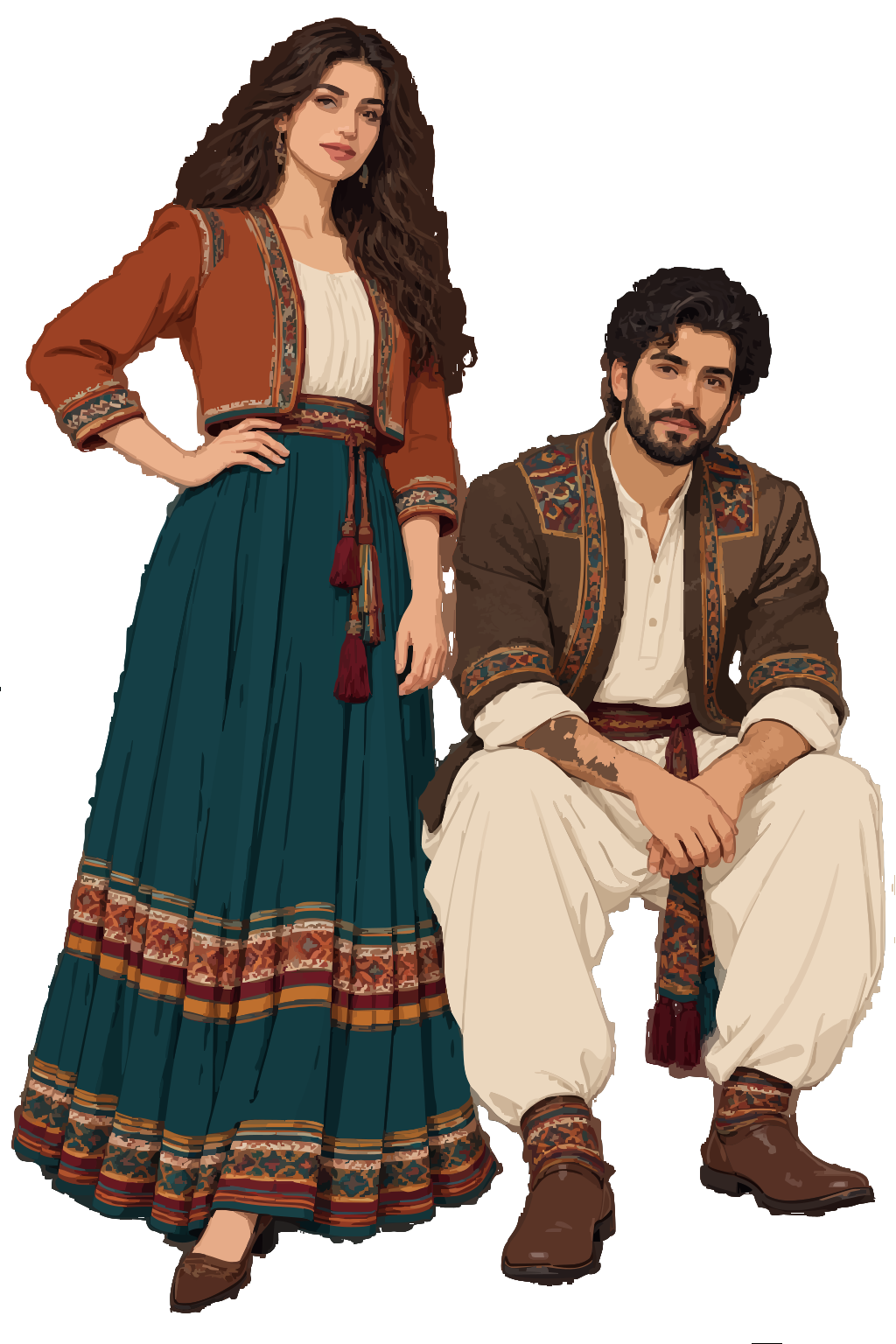
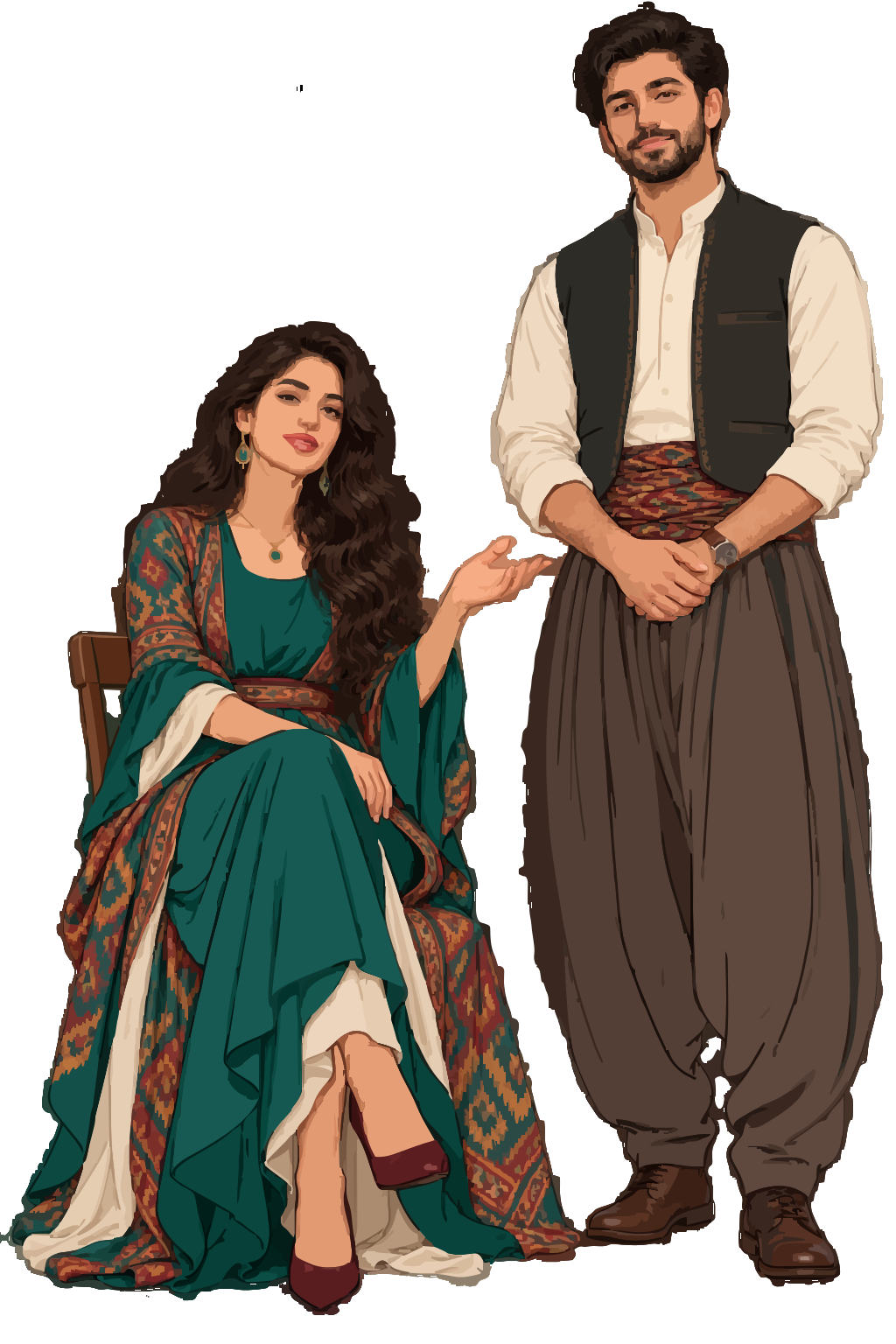
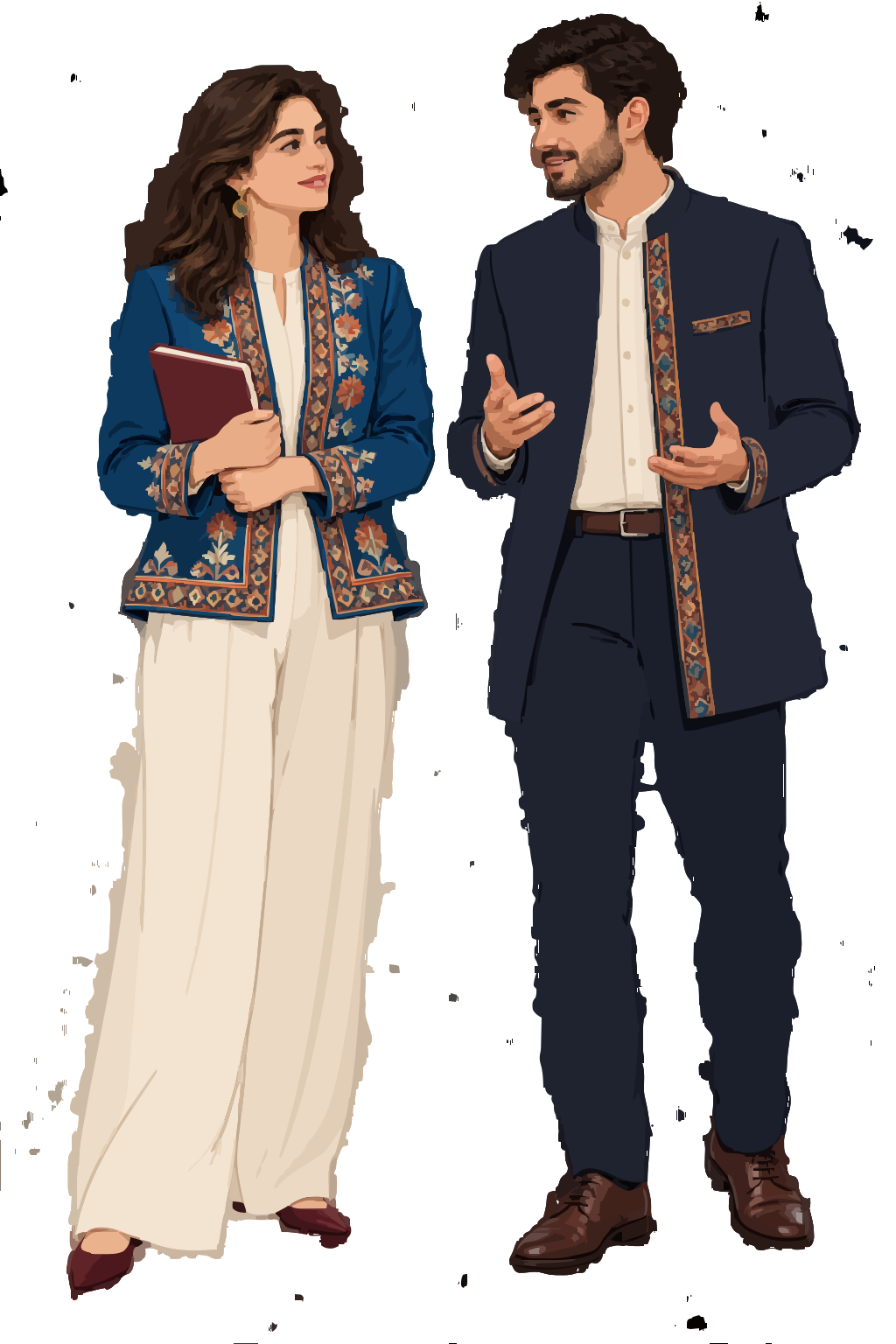
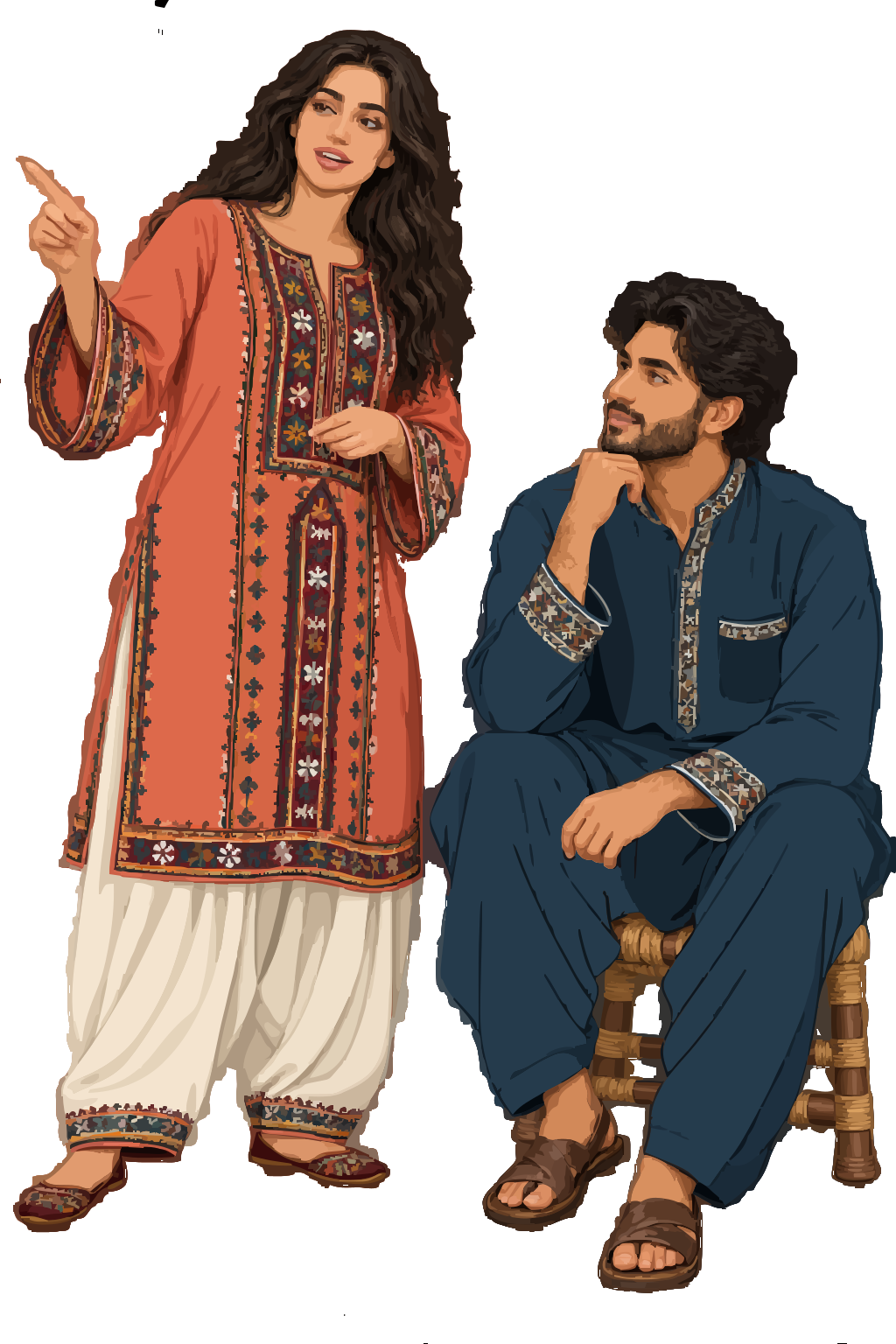
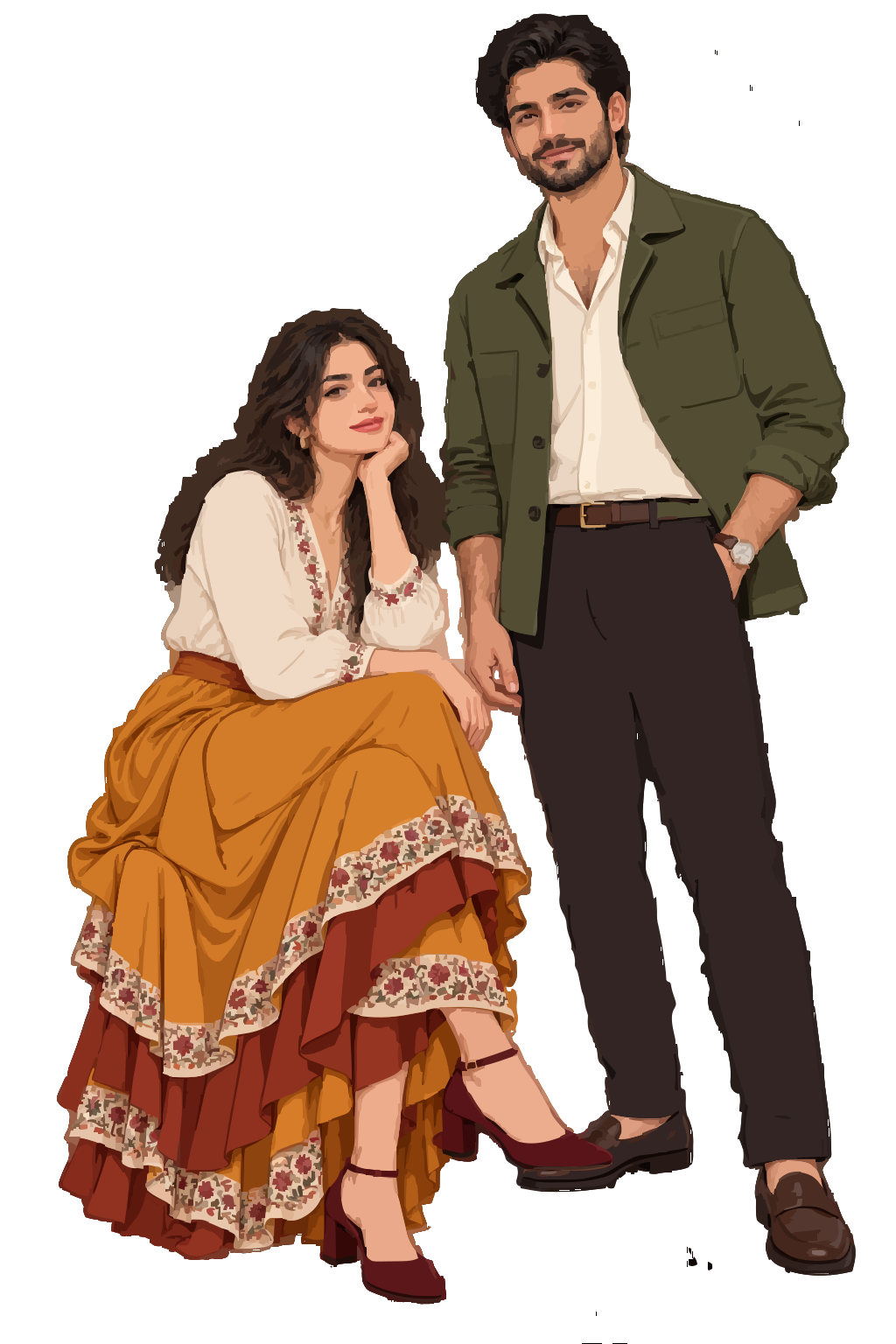
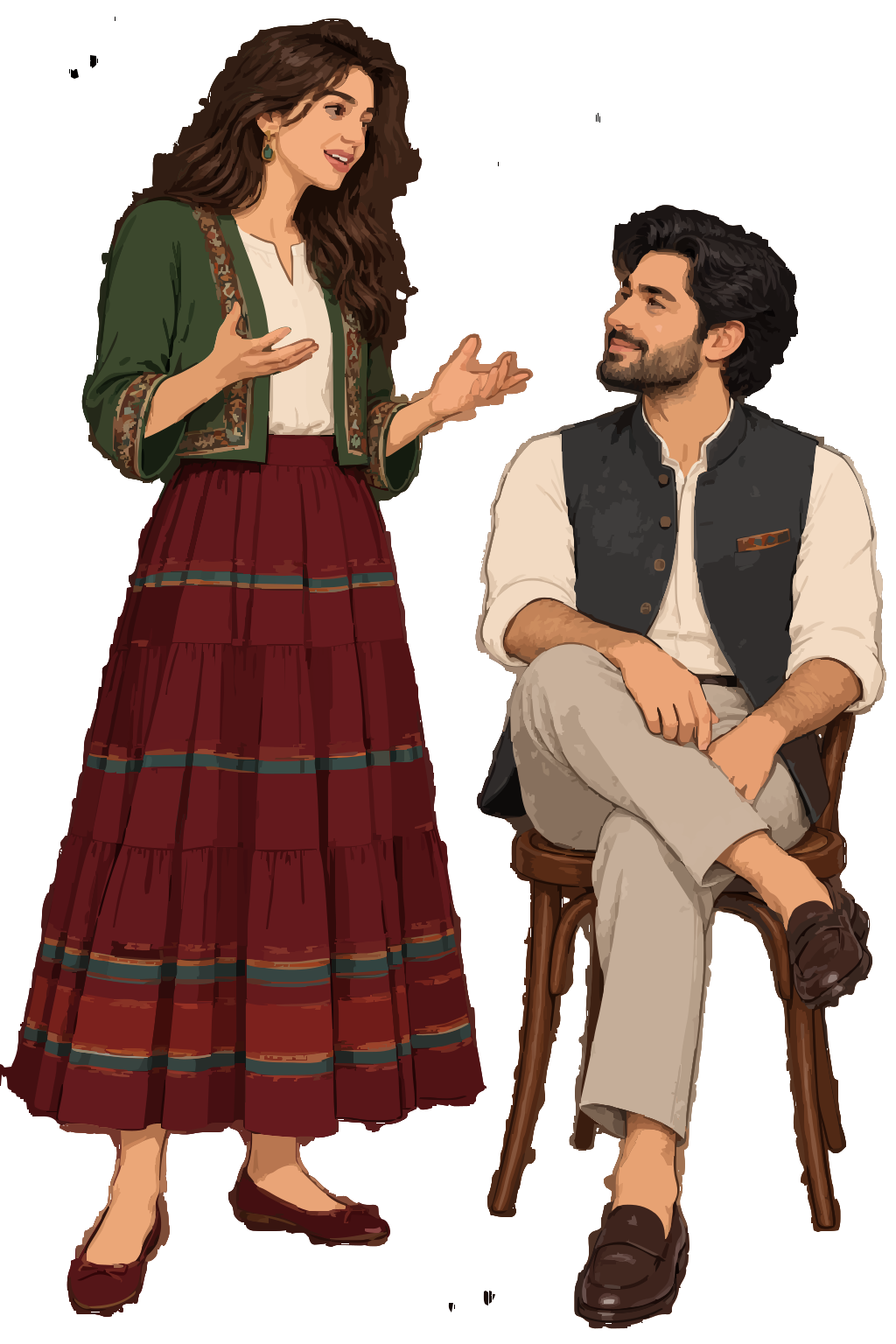
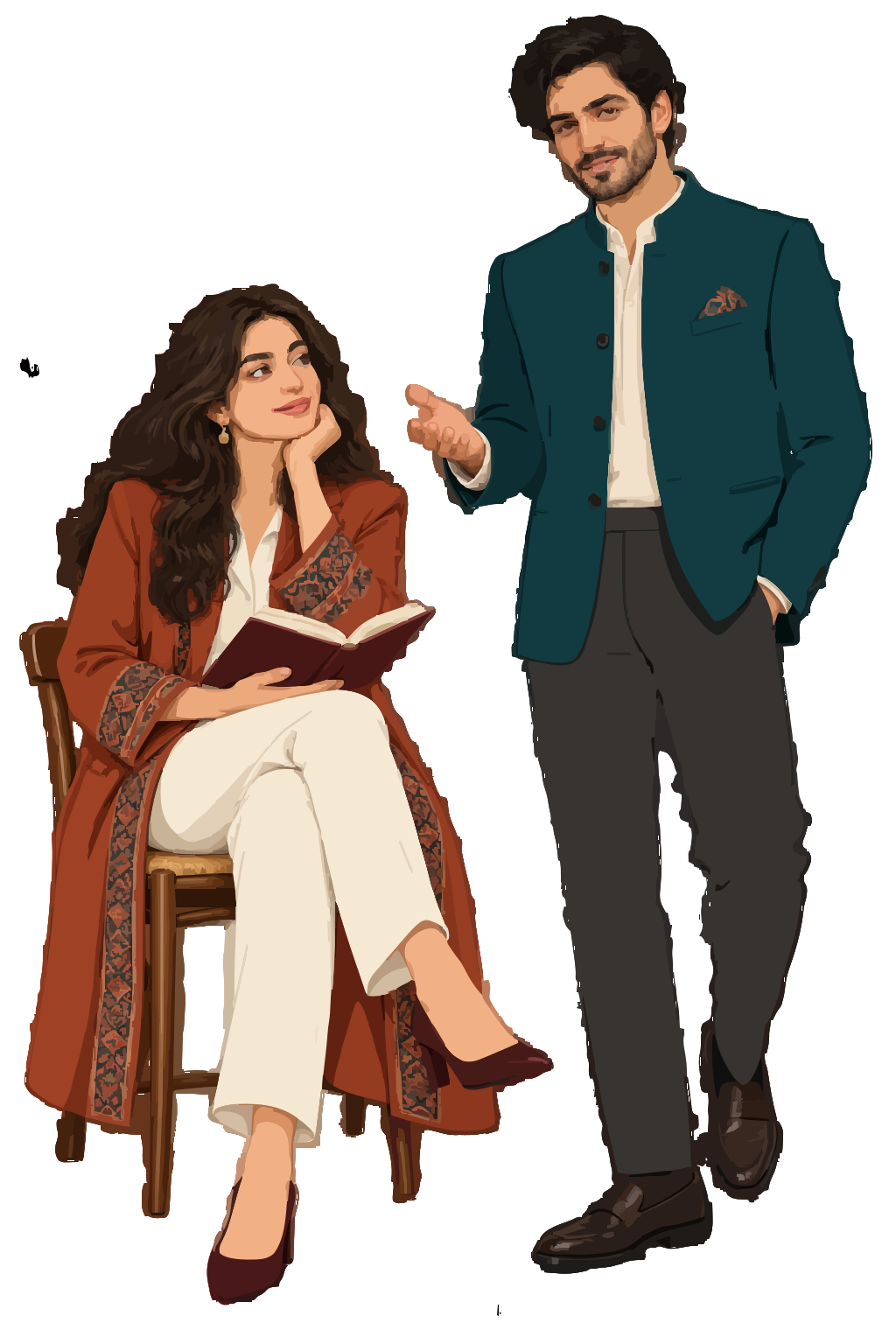
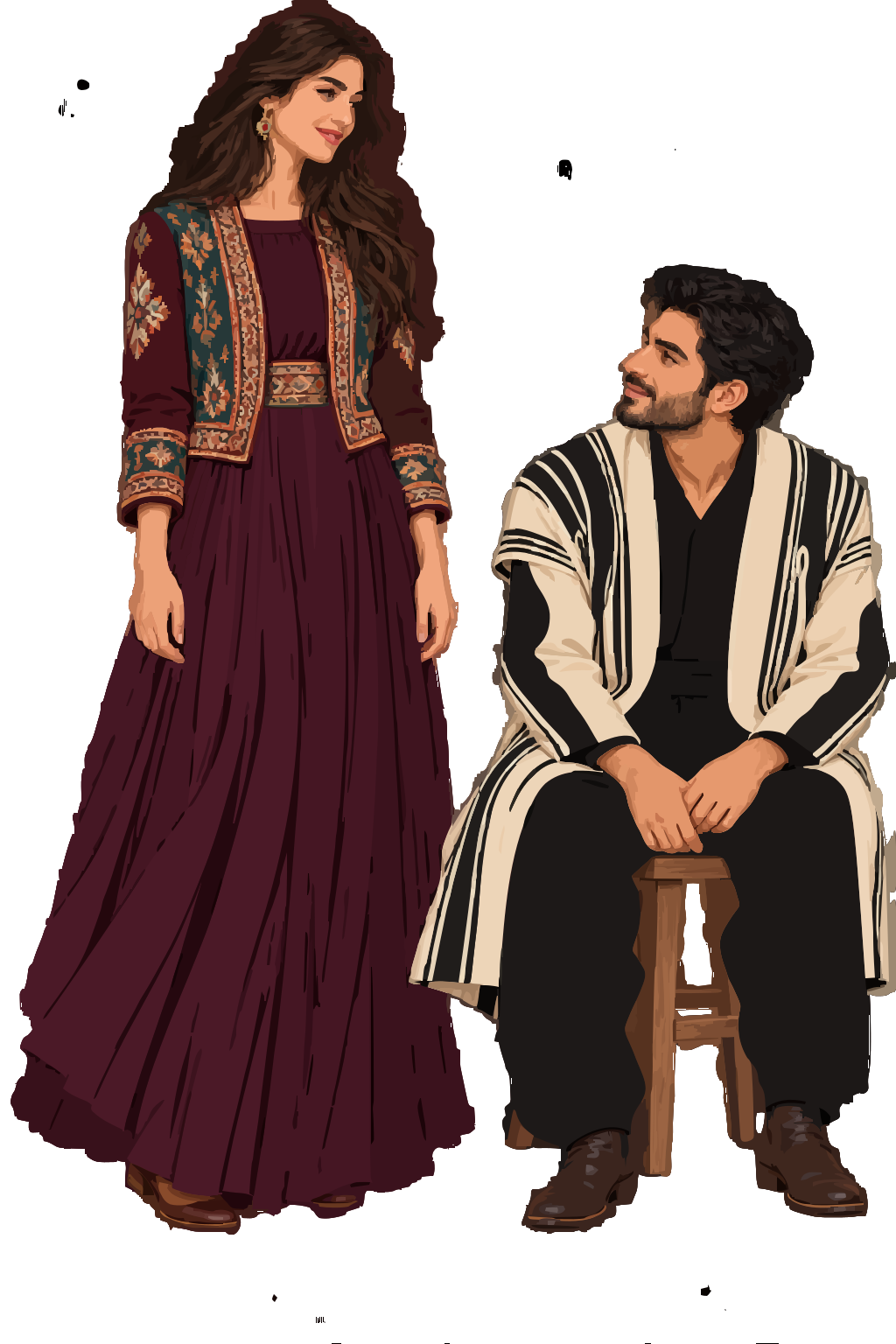
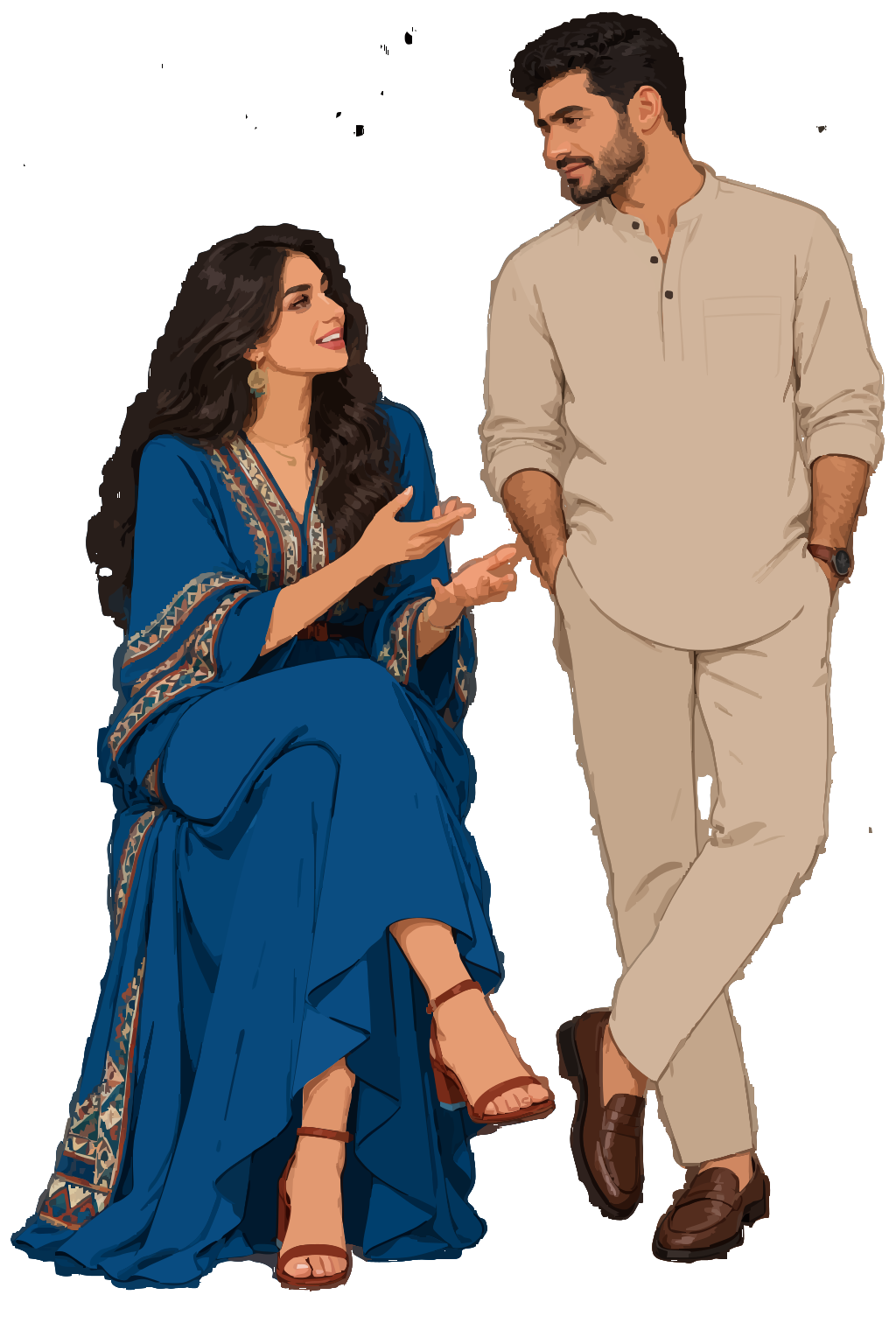
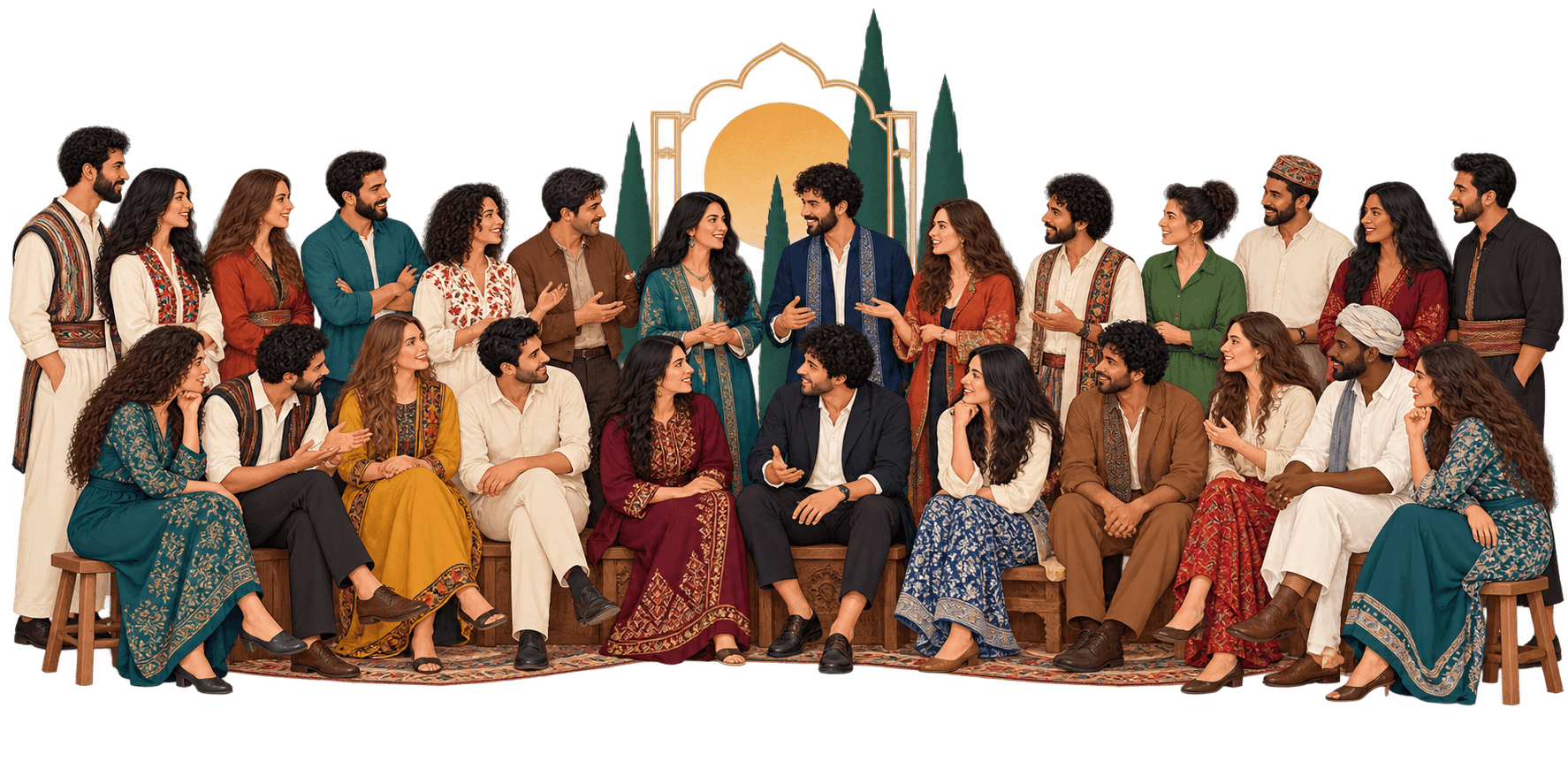
An imagined gathering of Iranian women and men in contemporary regionally inspired clothing, seated and standing in conversationA CONVERSATION, STILL UNFOLDING.
MANY LANGUAGES✳MANY CULTURES✳ONE SHARED HOME✳IRAN

BELONGING, IN EVERY VOICE

Our differences are
part of our togetherness.

Iran is one country, home to many peoples, languages and cultures. From the Caspian shore to the Persian Gulf, from the Zagros to Khorasan, distinct identities enrich a shared Iranian home.

These thirteen portraits are an invitation to explore, not a complete list of Iran’s communities. Identities overlap, families move, and belonging can take more than one name.

01 / THE PEOPLE OF IRANلر

LurThe heart of the Zagros

Mountain landscapes, many local voices.

Lur communities have deep roots in the central and southern Zagros. Luri speech, regional textiles and oral traditions connect a varied cultural landscape, with lives shaped by cities as well as mountain settlements.

HOME REGIONS
Lorestan · Kohgiluyeh and Boyer-Ahmad · adjoining Zagros districts
LANGUAGE & VOICE
Luri varieties
Read the background
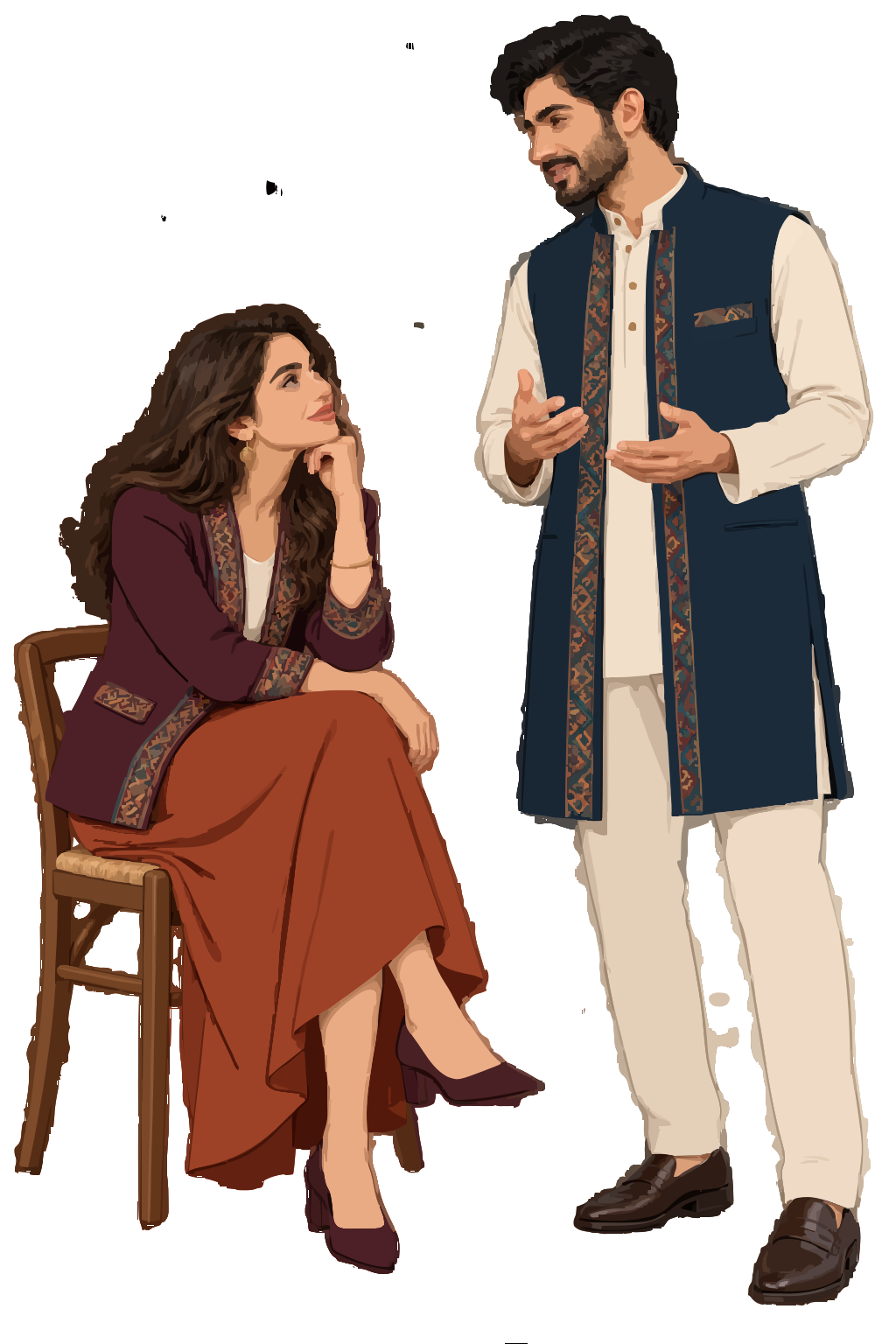
An imagined Lur woman and man in contemporary locally inspired clothing, with uncovered hair and distinct conversational poses
HERITAGE, REIMAGINED FOR TODAY.
02 / THE PEOPLE OF IRANکرد

KurdishAcross the western mountains

A cultural landscape that crosses mountain valleys.

Kurdish communities are concentrated in western Iran, with longstanding communities in the northeast too. Their different speech varieties and local traditions are part of a wider, living Kurdish cultural world.

HOME REGIONS
Kurdistan · Kermanshah · parts of West Azerbaijan · communities in North Khorasan
LANGUAGE & VOICE
Kurdish varieties
Read the background
An imagined Kurdish woman and man in contemporary locally inspired clothing, with uncovered hair and distinct conversational poses
HERITAGE, REIMAGINED FOR TODAY.
03 / THE PEOPLE OF IRANآذری

AzeriThe northwest, in conversation

A Turkic language. An Iranian home.

Iranian Azerbaijanis, also called Azeri Turks, have longstanding communities in the northwest and across Iran’s cities. Azerbaijani Turkic and Persian meet in everyday multilingual life.

HOME REGIONS
East Azerbaijan · Ardabil · Zanjan · parts of West Azerbaijan
LANGUAGE & VOICE
Azerbaijani Turkic
Read the background
An imagined Azeri woman and man in contemporary locally inspired clothing, with uncovered hair and distinct conversational poses
HERITAGE, REIMAGINED FOR TODAY.
04 / THE PEOPLE OF IRANبلوچ

BalochFrom the southeast to the sea

An intricate thread in Iran’s southeast.

Baloch communities live across the southeastern interior and Makran coast. Balochi is an Iranian language; needlework offers one expressive cultural reference, among many forms of contemporary life.

HOME REGIONS
Southern Sistan and Baluchestan · adjoining parts of Kerman and eastern Hormozgan
LANGUAGE & VOICE
Balochi varieties
Read the background
An imagined Baloch woman and man in contemporary locally inspired clothing, with uncovered hair and distinct conversational poses
HERITAGE, REIMAGINED FOR TODAY.
05 / THE PEOPLE OF IRANمازنی

MazaniBetween the Alborz and the Caspian

A Caspian voice with a long memory.

Mazani is a familiar name for Mazandarani identity and speech. Its home region stretches along the southern Caspian and into the Alborz, alongside Persian and other local varieties.

HOME REGIONS
Mazandaran · neighbouring Alborz valleys
LANGUAGE & VOICE
Mazandarani / Tabari
Read the background
An imagined Mazani woman and man in contemporary locally inspired clothing, with uncovered hair and distinct conversational poses
HERITAGE, REIMAGINED FOR TODAY.
06 / THE PEOPLE OF IRANگیلکی

GilakiAlong the green Caspian shore

Local voices from lowlands to foothills.

Gilaki is one of the languages of the southern Caspian region. Gilan is itself multilingual: Gilaki identity shares the province with Talyshi and other communities rather than representing everyone who lives there.

HOME REGIONS
Gilan · neighbouring western Mazandaran
LANGUAGE & VOICE
Gilaki varieties
Read the background
An imagined Gilaki woman and man in contemporary locally inspired clothing, with uncovered hair and distinct conversational poses
HERITAGE, REIMAGINED FOR TODAY.
07 / THE PEOPLE OF IRANفارس

PersianThe plateau and far beyond

A shared language, and a distinct identity.

Persian-speaking communities are widespread, particularly across the central plateau. Persian also connects people across Iran as a shared language; speaking it does not by itself define a person’s ethnic identity.

HOME REGIONS
Central plateau · Fars · Yazd · Isfahan · Kerman · cities throughout Iran
LANGUAGE & VOICE
Persian / Farsi
Read the background
An imagined Persian woman and man in contemporary locally inspired clothing, with uncovered hair and distinct conversational poses
HERITAGE, REIMAGINED FOR TODAY.
08 / THE PEOPLE OF IRANبختیاری

BakhtiariThrough the central Zagros

A distinct identity within the wider Lur world.

Bakhtiari identity has close linguistic and cultural ties to the wider Lur world. Communities span highland and lowland settings; historical seasonal migration is one part of their heritage, alongside settled and urban lives.

HOME REGIONS
Chaharmahal and Bakhtiari · eastern Khuzestan · neighbouring Zagros areas
LANGUAGE & VOICE
Bakhtiari, a Luri variety
Read the background
An imagined Bakhtiari woman and man in contemporary locally inspired clothing, with uncovered hair and distinct conversational poses
HERITAGE, REIMAGINED FOR TODAY.
09 / THE PEOPLE OF IRANعرب

Iranian ArabSouthwestern plains, coastal connections

Arabic-speaking voices in a shared country.

Khuzestan is a major home of Iranian Arab communities. Other Arabic-speaking communities live along the southern coast and elsewhere. Their local histories and dialects contribute to Iran’s multilingual life.

HOME REGIONS
Khuzestan · communities along the Persian Gulf and elsewhere
LANGUAGE & VOICE
Arabic varieties, alongside Persian
Read the background
An imagined Iranian Arab woman and man in contemporary locally inspired clothing, with uncovered hair and distinct conversational poses
HERITAGE, REIMAGINED FOR TODAY.
10 / THE PEOPLE OF IRANلک

LakWhere western Zagros cultures meet

An identity expressed on its own terms.

Lak communities inhabit adjoining parts of the western Zagros. Relationships between Laki, Kurdish and Luri identities are described differently by speakers and scholars; self-identification matters.

HOME REGIONS
Parts of Lorestan · Kermanshah · Ilam · western Hamadan
LANGUAGE & VOICE
Laki
Read the background
An imagined Lak woman and man in contemporary locally inspired clothing, with uncovered hair and distinct conversational poses
HERITAGE, REIMAGINED FOR TODAY.
11 / THE PEOPLE OF IRANترکمن

TurkmenThe northeastern plains

A northeastern voice in the country’s mosaic.

Iranian Turkmen communities have longstanding roots in the northeastern plains and borderlands. Turkmen is a Turkic language, with local traditions and connections extending beyond Iran’s borders.

HOME REGIONS
Turkmen Sahra in Golestan · parts of North Khorasan
LANGUAGE & VOICE
Turkmen
Read the background
An imagined Turkmen woman and man in contemporary locally inspired clothing, with uncovered hair and distinct conversational poses
HERITAGE, REIMAGINED FOR TODAY.
12 / THE PEOPLE OF IRANهرمزی

HormozganiWhere Iran meets the Persian Gulf

A coastal identity, open to many influences.

Hormozgani (including Hormozi and Bandari identities) is a regional umbrella, not a single homogeneous ethnicity. Coastal and island communities have different languages, traditions and histories of exchange across the Persian Gulf.

HOME REGIONS
Hormozgan coast · Bandar Abbas · Qeshm and neighbouring islands
LANGUAGE & VOICE
Bandari and other local varieties; Persian and Arabic in some communities
Read the background
An imagined Hormozgani woman and man in contemporary locally inspired clothing, with uncovered hair and distinct conversational poses
HERITAGE, REIMAGINED FOR TODAY.
13 / THE PEOPLE OF IRANخراسانی

KhorasaniA meeting place in the northeast

Many communities within one regional name.

Khorasani describes a regional identity shared by several communities, including Persian, Turkic, Kurdish, Turkmen, Baloch and others. It overlaps with ethnic identities rather than replacing them.

HOME REGIONS
North Khorasan · Razavi Khorasan · South Khorasan
LANGUAGE & VOICE
Persian, Khorasani Turkic, Kurdish and other languages
Read the background
An imagined Khorasani woman and man in contemporary locally inspired clothing, with uncovered hair and distinct conversational poses
HERITAGE, REIMAGINED FOR TODAY.

A COUNTRY IS A CONVERSATION

We do not have to be the same
to belong together.

Lur. Kurdish. Azeri. Baloch. Mazani. Gilaki. Persian. Bakhtiari. Arab. Lak. Turkmen. Hormozgani. Khorasani. And many more voices, all part of Iran.

BACK TO THE GATHERING ↑

ABOUT THIS ATLAS

Ethnic, linguistic and regional identities are not interchangeable. Bakhtiari identity overlaps with the wider Lur world; Hormozgani and Khorasani are presented as regional umbrellas. The map is an editorial orientation, not a census or a claim to exclusive territory.

ABOUT THE PORTRAITS

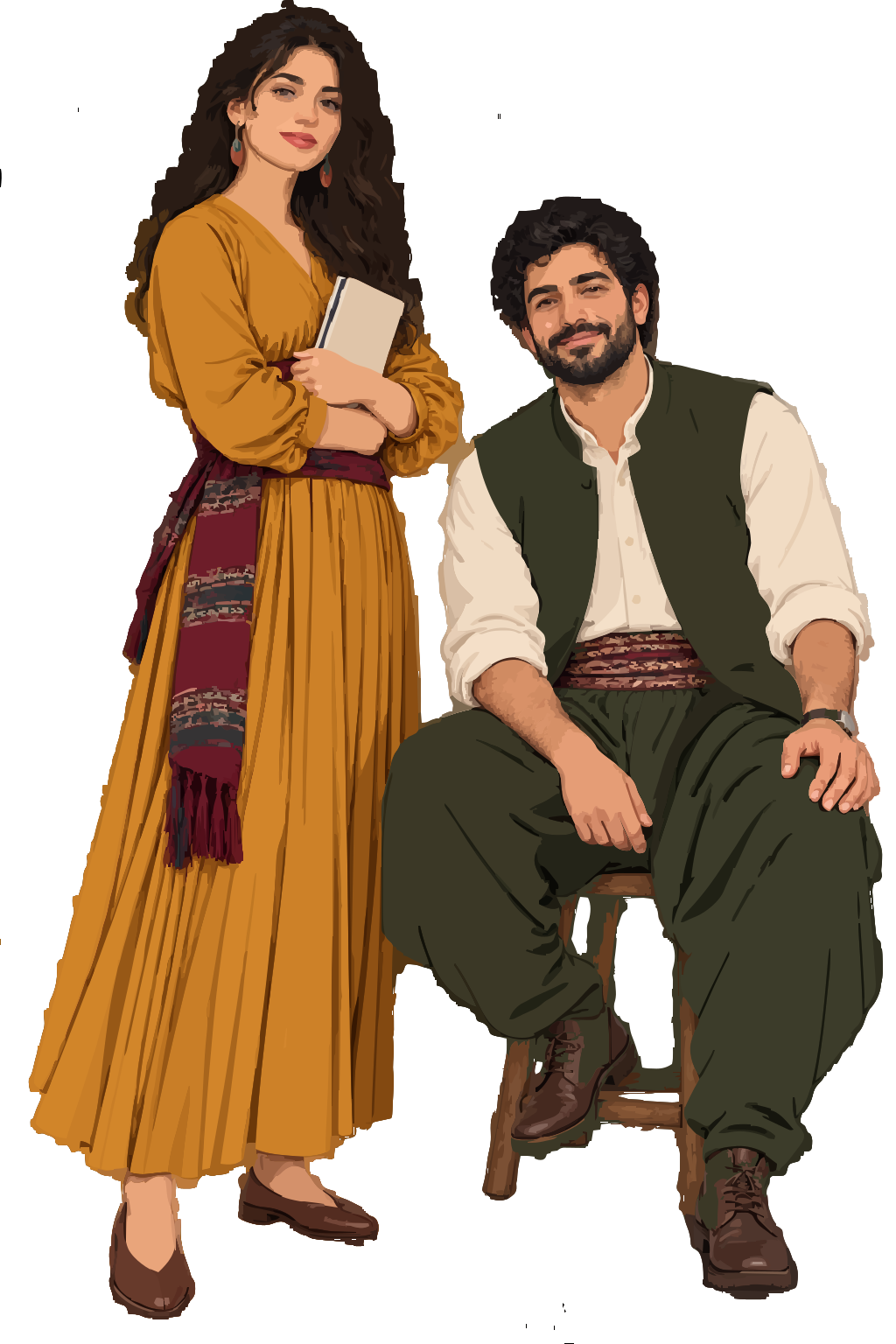
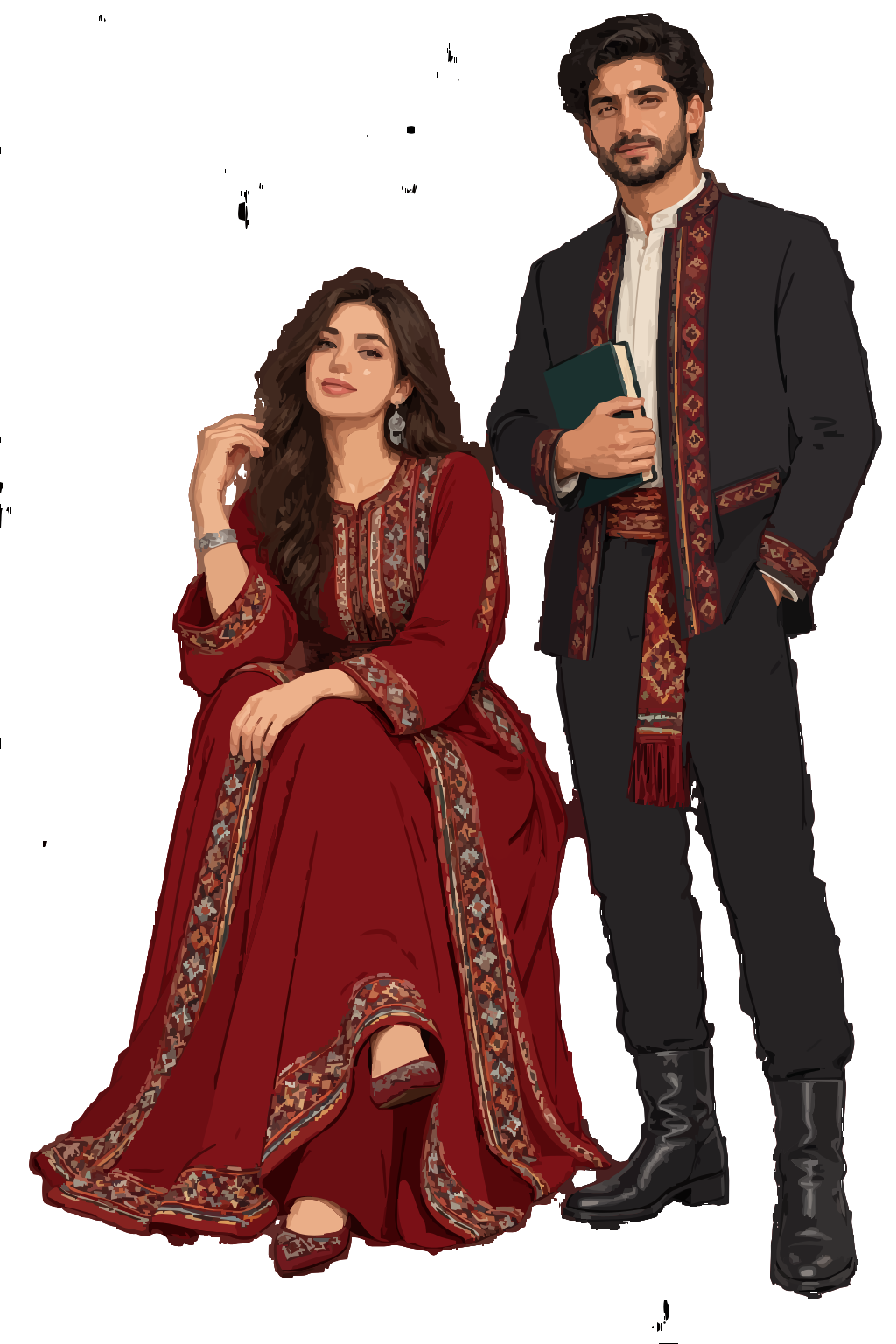
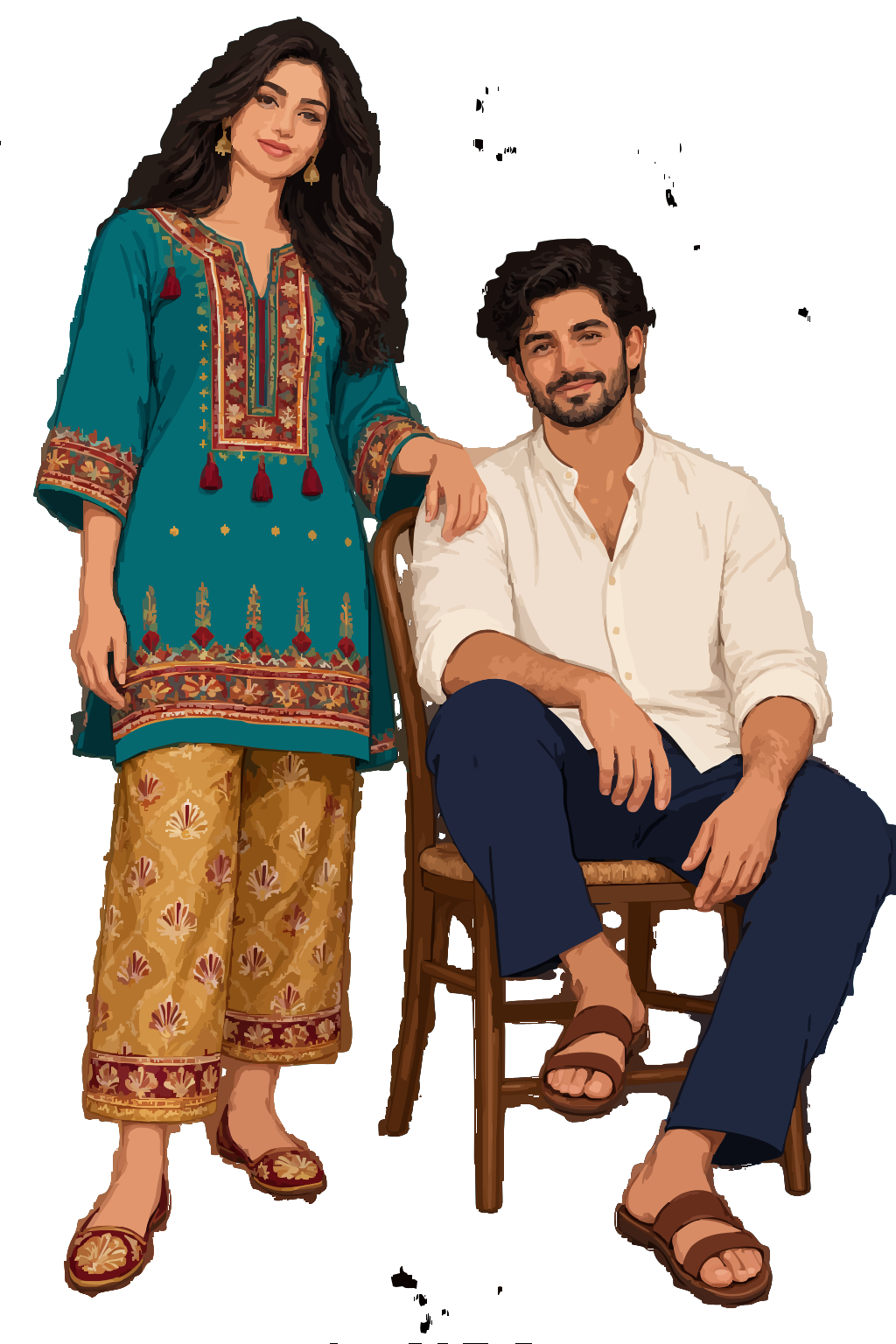
These are imagined illustrations, not documentary portraits. Contemporary clothing draws on regional references; no face, skin tone or outfit can represent an entire community. Every community includes individual variation.

Further reading: Encyclopaedia Iranica ↗