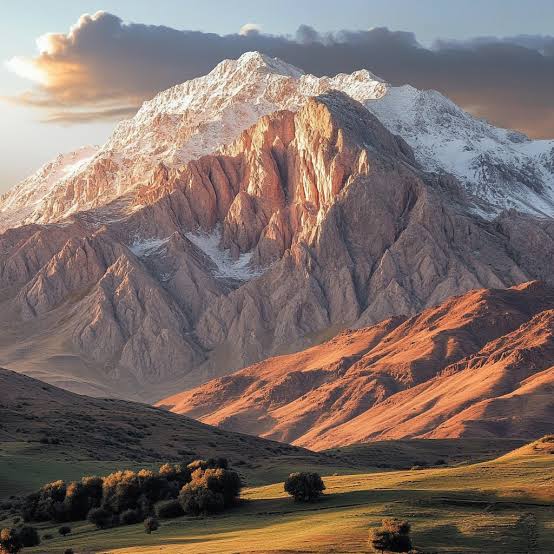
A country of
many horizons.
From the green edge of the Caspian to the sculpted silence of the central deserts, discover the landscapes that give Iran its extraordinary range.
Explore this perspectiveA landscape
of contrasts.
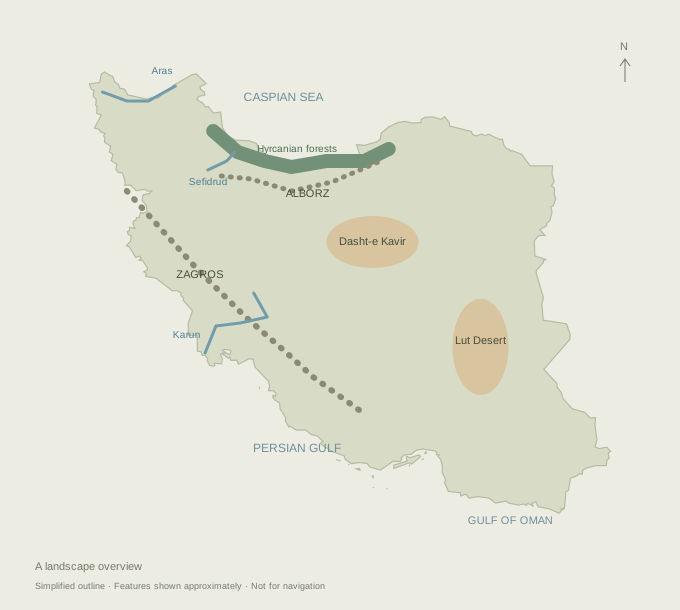
Mountains hold the snow. Forests follow the Caspian slopes. Rivers cross valleys, while deserts open across the interior.
Use this quiet overview to get your bearings before exploring each landscape below.
- Forests
- Mountain ranges
- Rivers & seas
- Deserts
The threads that connect a landscape.
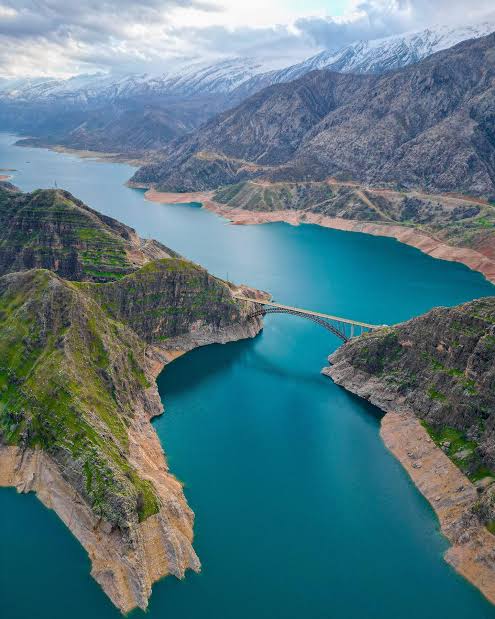
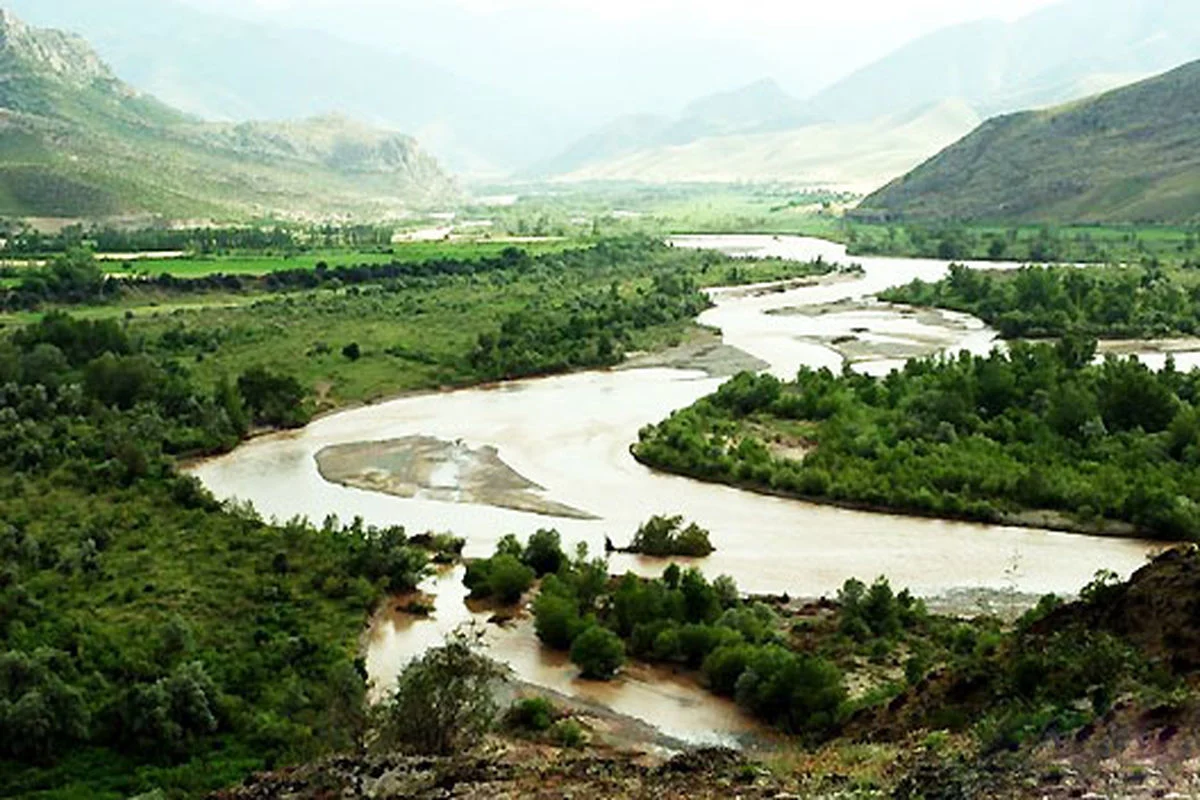
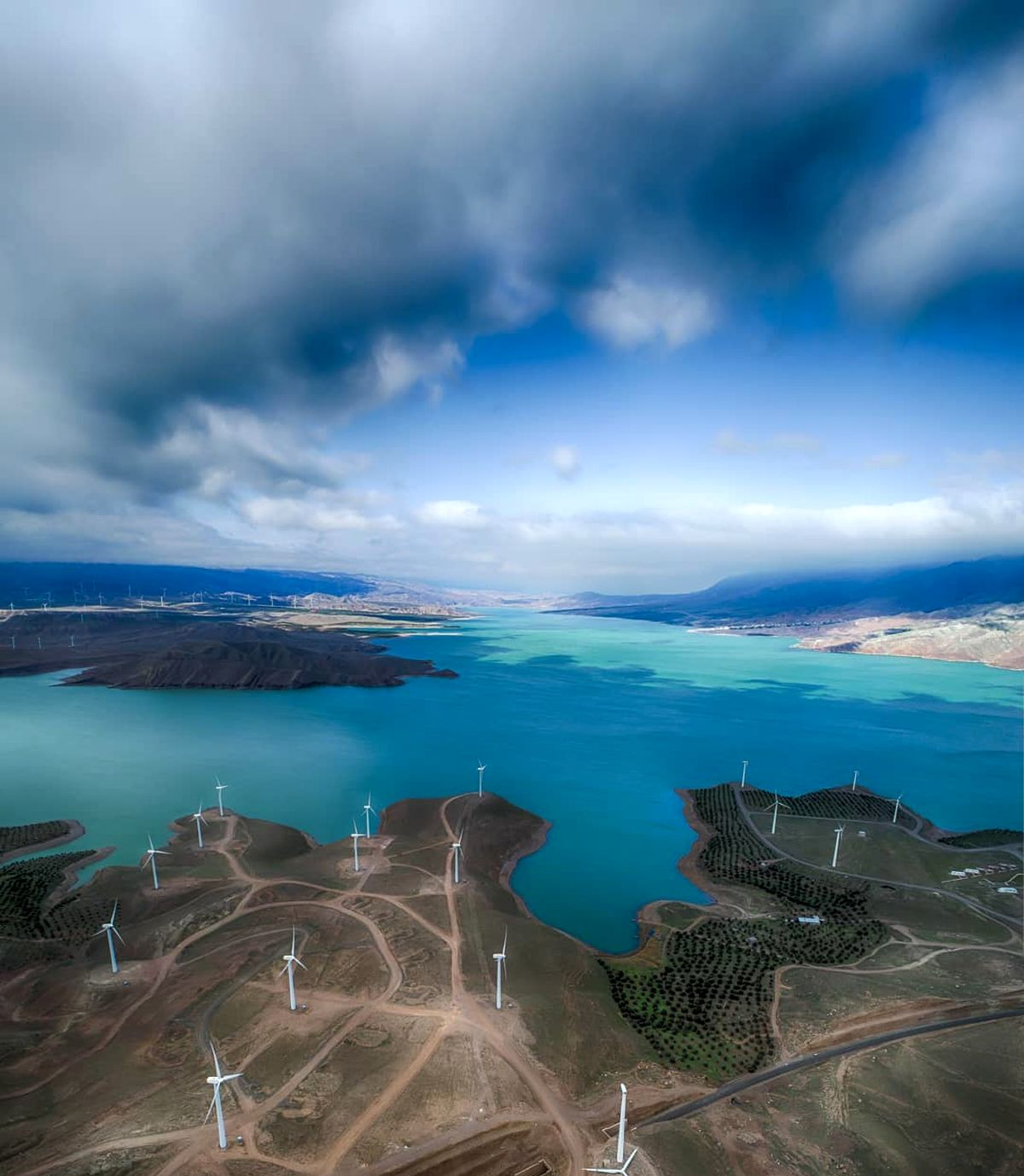
Rivers connect mountain catchments with valleys, agricultural plains and coastal lowlands. The Karun flows from the Zagros toward the southwest, the Sefidrud reaches the Caspian, and the Aras follows stretches of the northwestern frontier. Their landscapes change with the season, rainfall and the management of water.
The country rises to meet the sky.
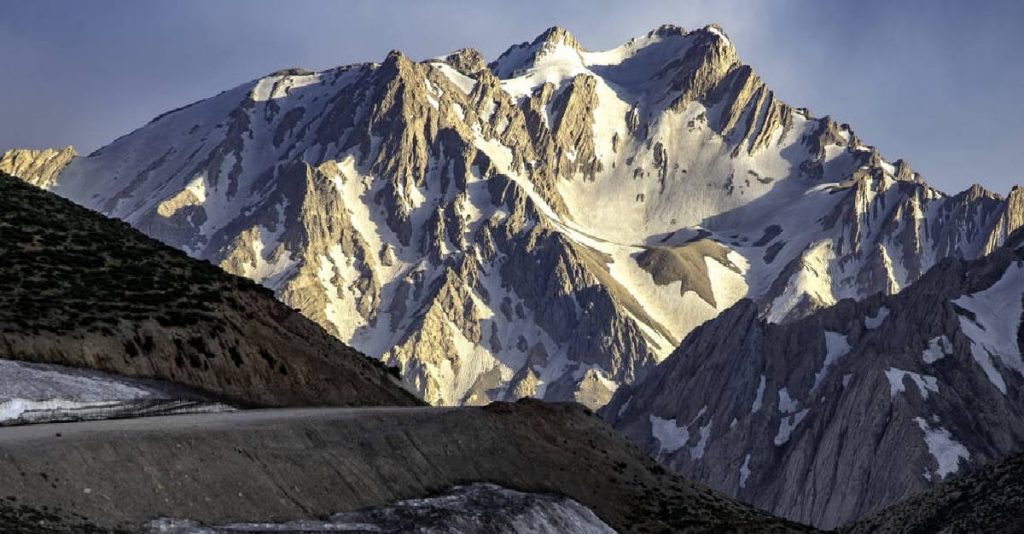
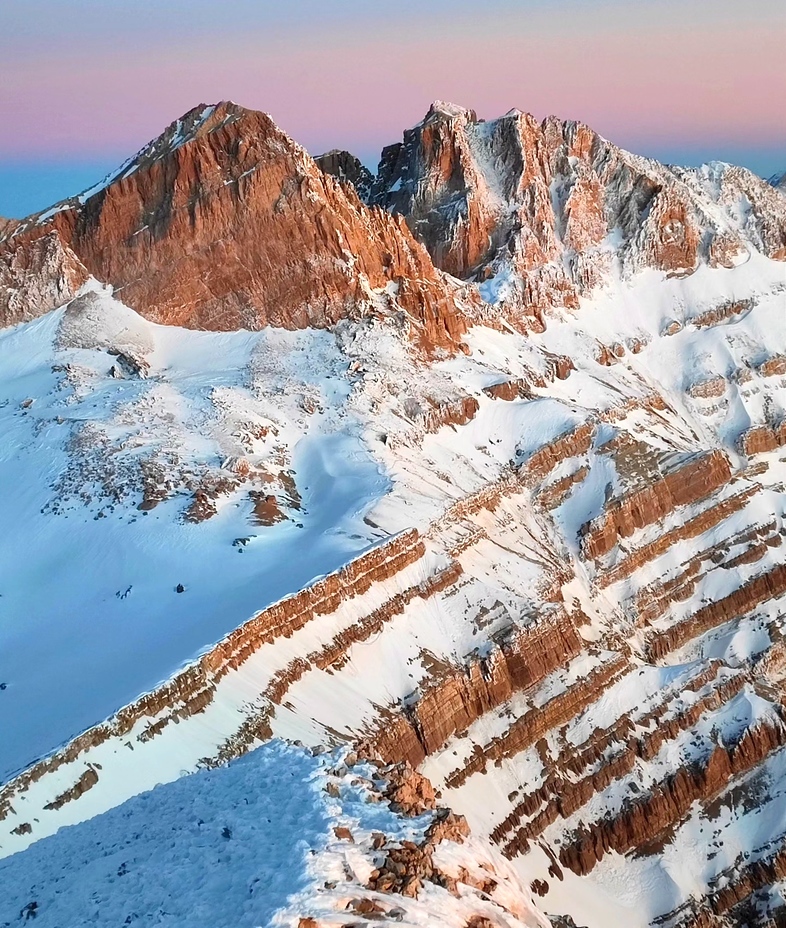
The Alborz frames the southern Caspian coast; the Zagros runs through western and southwestern Iran. Beyond these ranges, the Alvand massif and the high ridges of Dena reveal a landscape of exposed rock, alpine snow and upland valleys. Mountain terrain shapes climate, settlement and the rhythms of rural life.
An entirely different shade of Iran.
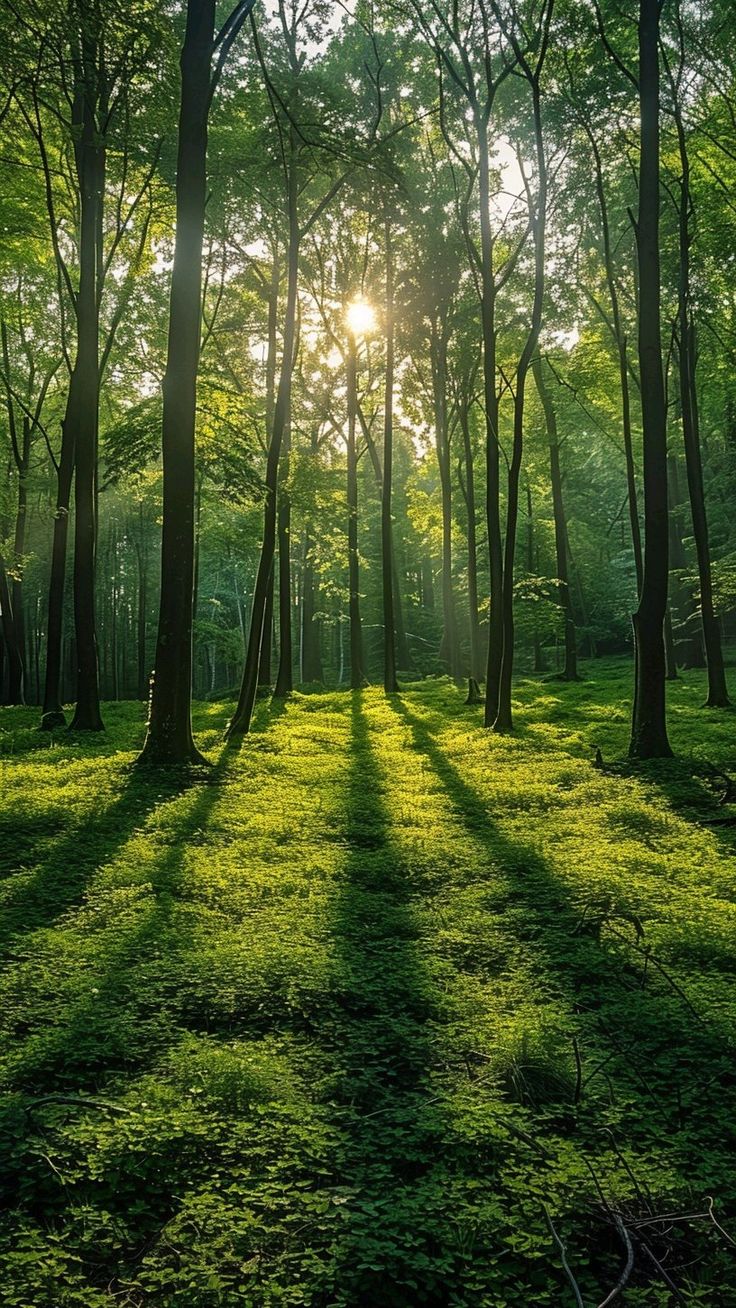
Along the southern Caspian, the Hyrcanian forests form a green arc of broadleaf woodland. Moist air and mountain slopes create a striking contrast with the dry interior. Elsewhere, the oak woodlands of the Zagros tell another forest story, adapted to a more seasonal landscape.
Silence, shaped by wind and time.
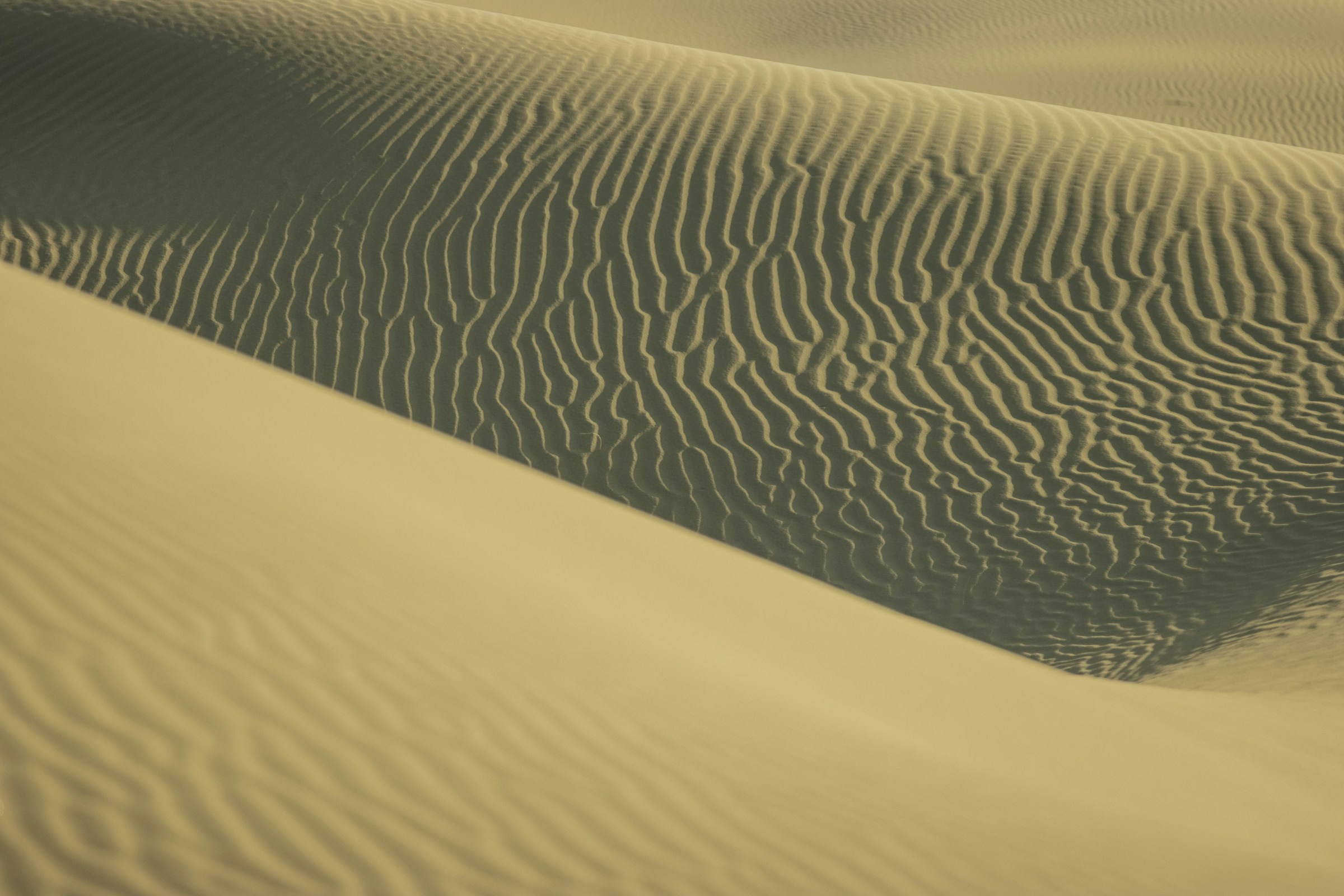
The Dasht-e Kavir and the Lut are two defining desert regions of the Iranian plateau. Salt flats, sand and wind-eroded formations give each its own visual language. The dunes of Maranjab offer another perspective: small ripples, long shadows and an ever-changing surface.
Three waters. Many ways to meet the shore.
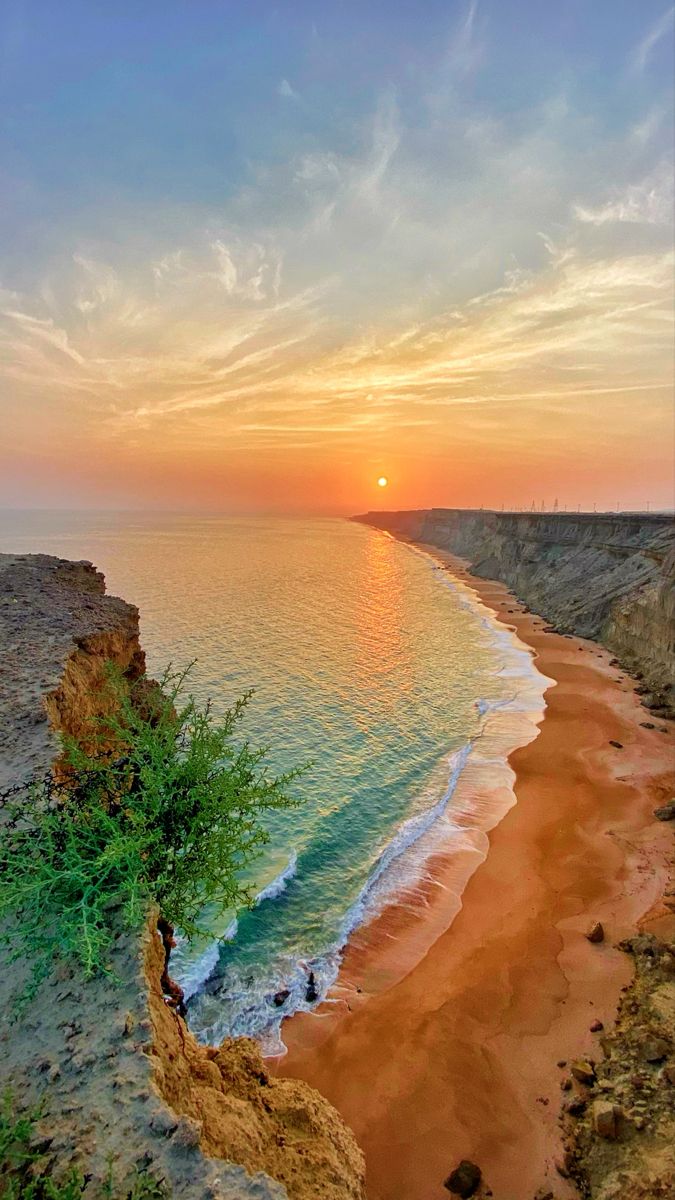
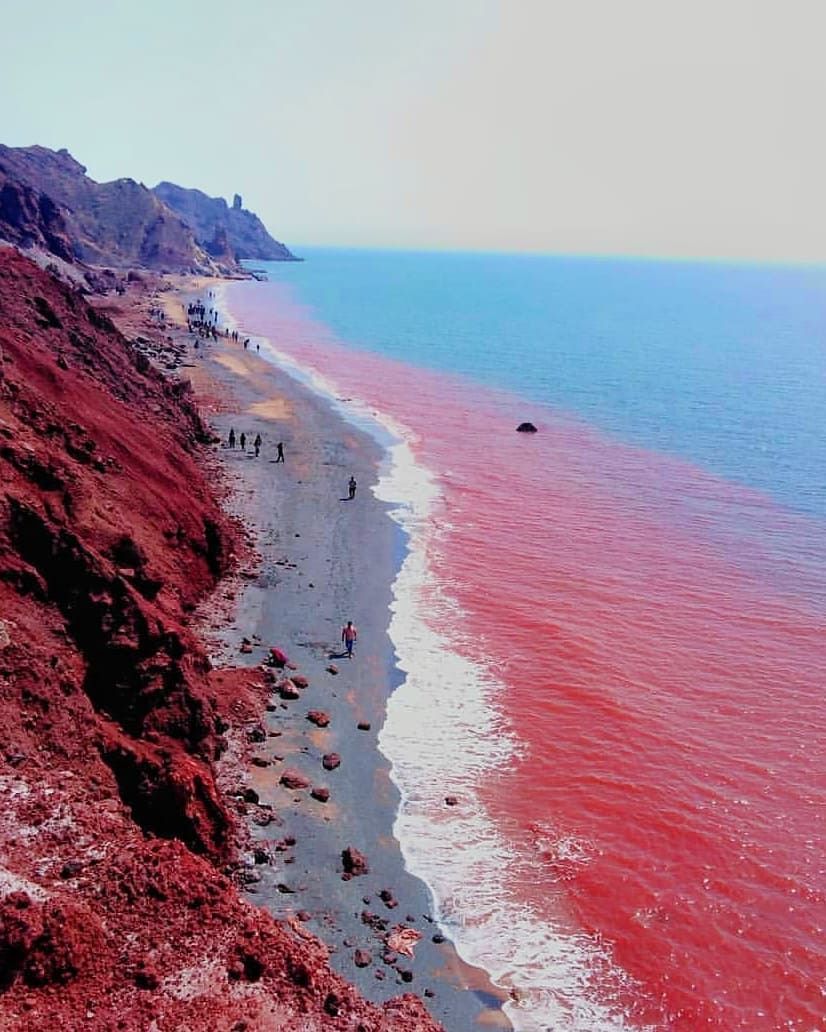
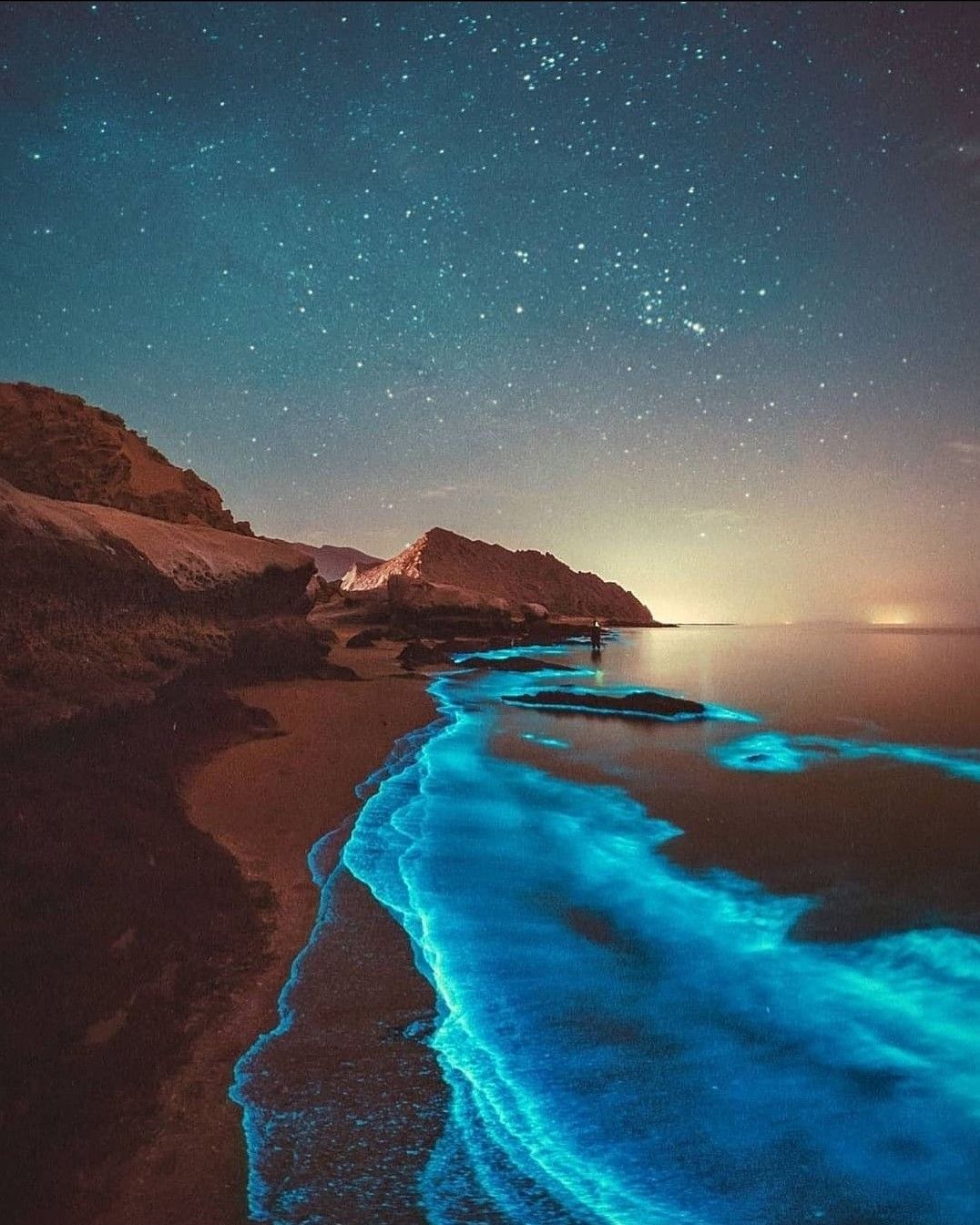
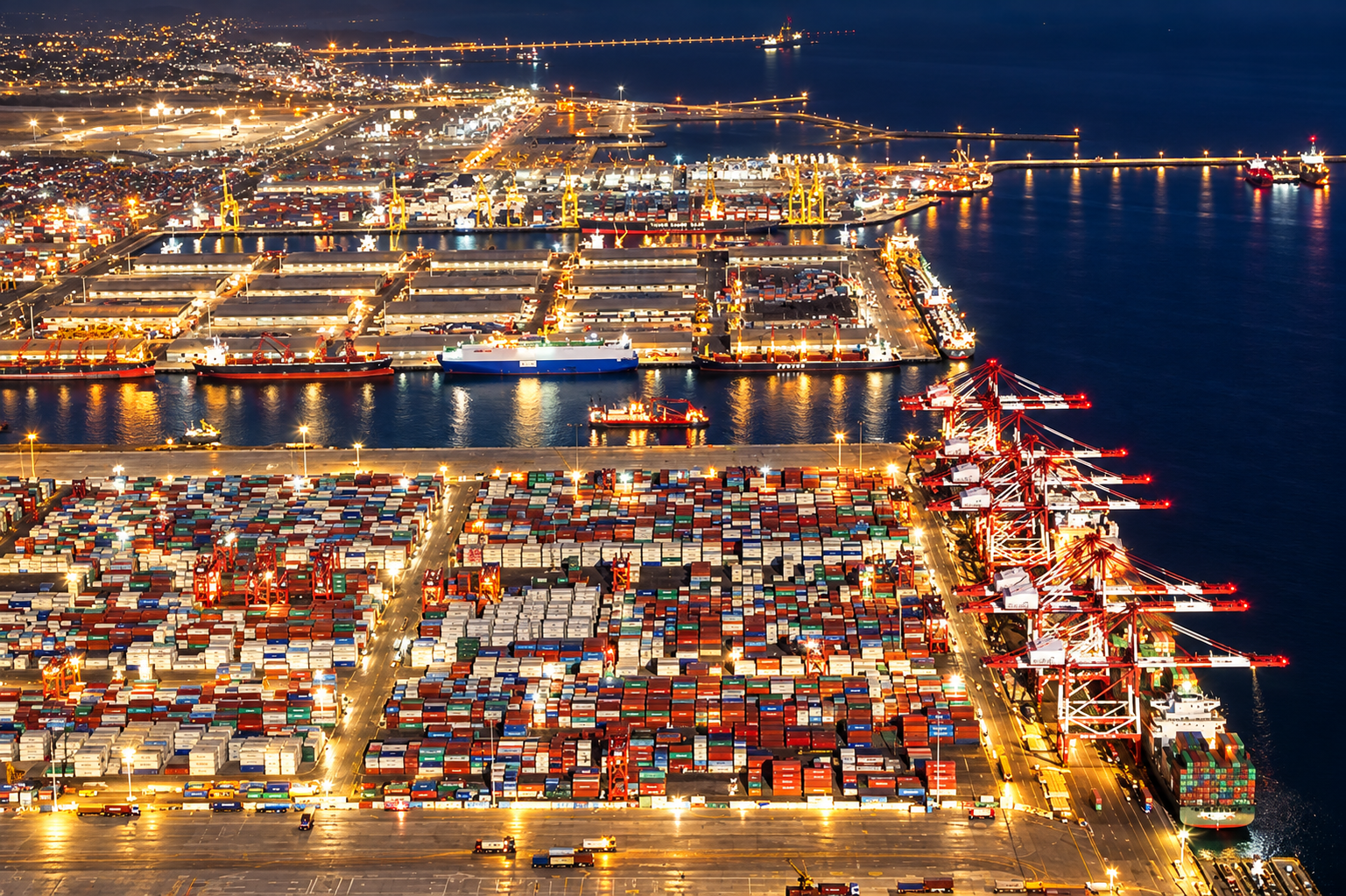
The Caspian lies to the north, while the Persian Gulf and the Gulf of Oman open the south to coastal and island landscapes. Forest-backed shores give way to southern cliffs, warm-colored beaches and maritime communities. Each coastline adds a different rhythm to the country.